
Constitution (Amendment) Bill, 2025
In the quiet chambers of legal drafting, a transformation is occurring that may forever alter the sovereignty of Ghana. To understand this shift, one must first distinguish between two concepts often blurred by those seeking to change our laws: Dual Citizenship is a matter of legal status—the involuntary or voluntary holding of two passports. Dual Allegiance, however, is a matter of the heart and the will; it is a positive act of loyalty to a foreign power. While citizenship is a document, allegiance is a bond of fidelity.
The Pendulum of Protection
The story of our nation’s safety has always been told through its Constitution. This vulnerability is not new; the seeds were sown even at our birth.
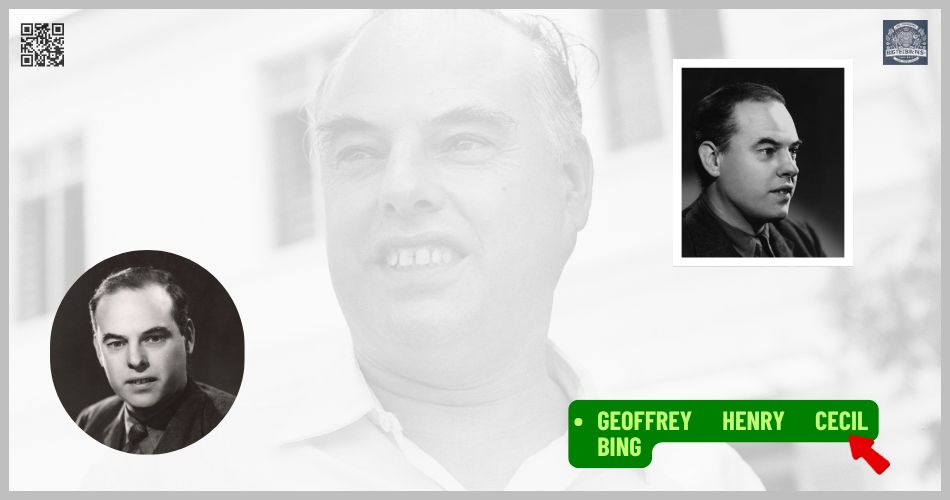
In 1957, the world watched as Geoffrey Bing, a British lawyer and politician, was appointed by Dr Kwame Nkrumah as the Attorney-General of Ghana. While some hailed this as a move for “global talent,” it set a dangerous precedent: a man holding British citizenship was the chief legal advisor to a newly independent African state. Even then, the law was wary of “dual allegiance,” fearing that those under obedience to a foreign power could not truly serve the red, gold, and green.
By 1969 and 1979, the law became even more protective, demanding that citizens choose a side upon reaching adulthood to avoid the “Bing dilemma.” However, the most balanced and wise reform occurred with the Constitution (Amendment) Act, 1996 (Act 527). This act recognised the reality of a globalised world by allowing dual citizenship, but wisely protected the “nerve centres” of our sovereignty. It created a necessary “blacklist” of offices that no person with divided loyalties could hold:
- Ambassador or High Commissioner
- Secretary to the Cabinet
- Chief of Defence Staff or any Service Chief
- Inspector-General of Police
- Commissioner of Customs, Excise and Preventive Service
- Director of Immigration Service
This was the “best reform”—it welcomed the talent of the diaspora while ensuring that those in charge of our borders, our spies, and our soldiers answered to only one flag.
The Great Unravelling
Today, a new chapter is being written, spearheaded by figures such as James Gyakye Quayson and fellow sponsors Kennedy Osei Nyarko, Kwame Governs Agbodza, Emmanuel Armah Kofi Buah, and Davis Ansah Opoku. Under the guise of “including global talent,” the Constitution (Amendment) Bill, 2025, seeks to strip away these protections entirely.
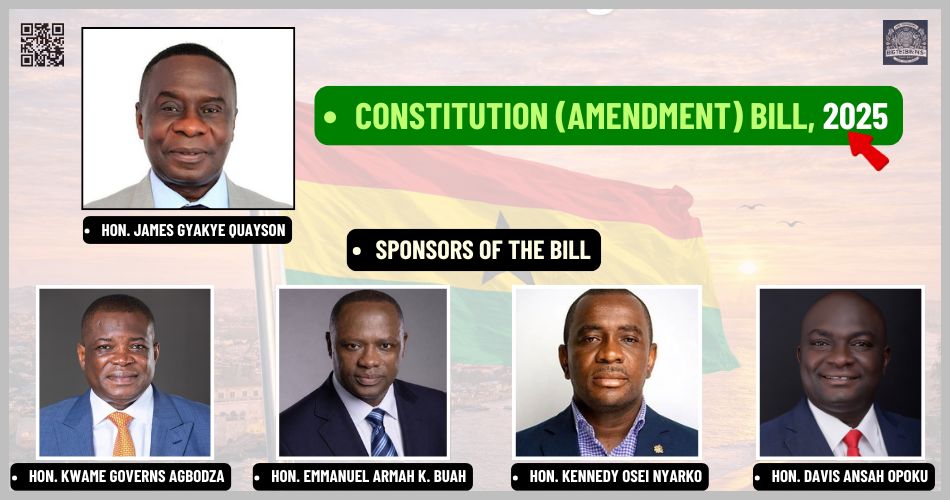
The current bill aims to repeal Article 8(2)—erasing the blacklist—and Article 94(2)(a), which currently bars those with dual allegiance from Parliament. Most alarmingly, the architects of this bill argue that by opening Parliament, they are simultaneously opening the Presidency and the Vice Presidency to dual citizens. They point to the era of Geoffrey Bing as proof that dual loyalty “works,” but they ignore the inherent risk of having the state’s deepest secrets held by those with a legal gateway to a foreign power.
A Question of Wickedness and Wealth
One does not need to be a lawyer to see the danger lurking in this reform. It is a terrifying vulnerability to watch our highest office exposed on the mere trust of an oath against a “conflict of interest.” In these “war possible times,” we must ask the sponsors: if Ghana were to enter a conflict with the very country where you hold your second citizenship, and where the bulk of your wealth and property is invested, which country would you save?
When the drums of war beat, and a leader’s foreign assets are threatened by a secondary homeland, can we truly believe they would choose the Ghanaian soil over their private fortune? The history of this bill suggests that its champions—figures like Quayson who seek to reclaim the Bing precedent—are not considering the heart of the country, but rather the personal gains of pursuing wealth on two sides of the ocean.
The Danger of “Easier Said Than Done”
The sponsors argue that dual citizens are “soldiers of constitutionalism.” But there is a significant difference between funding a political party from abroad and holding the trigger of the nation’s defence. If we truly wished to include global talent, a proper reform would stop at unbearing Article 8(2) for specific technical roles while strictly maintaining Article 94(2)(a) to ensure that final decision-making power remains solely with those whose allegiance is absolute.
The quote remains a haunting warning for every Ghanaian: “It is easier said than done.” It is easy to swear an oath of allegiance in a time of peace; it is a different matter entirely to uphold it when your foreign interests are at stake. To expose the highest office of our land to such a gamble is not progress—it is a reckless abandonment of the very sovereignty our ancestors bled to secure.

